
 11
11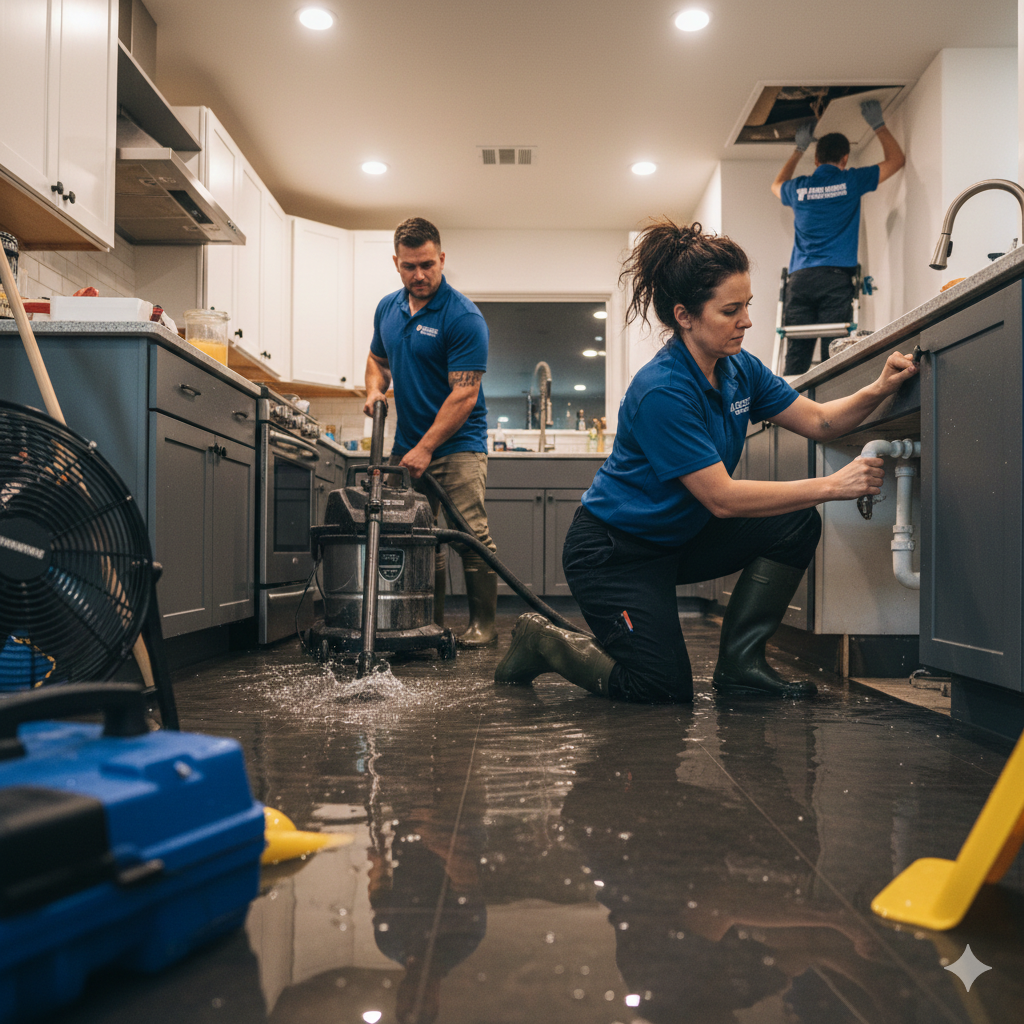
Finding a reliable plumber near me shouldn’t feel like a gamble when a leak or clog threatens your home. You can quickly locate licensed, reviewed professionals who handle emergency repairs, installations, and routine maintenance—often with same-day availability—so you don’t have to wait around for a fix.
This article plumber near-by us will show how to spot qualified pros, what common services they offer, and how to evaluate quotes and reviews so you pick the best option for your needs. Stay focused on practical tips that save time and avoid costly mistakes.
Key Plumbing Services Available
You’ll find fast leak containment, professional fixture swaps, and thorough drain clearing from local plumbers. Each service includes clear pricing, parts options, and steps to prevent repeat problems.
Emergency Leak Repairs
When a pipe bursts or a hidden leak soaks walls, you need immediate action to stop water damage. A qualified plumber will locate the source using leak-detection tools (acoustic sensors, infrared cameras, or moisture meters), shut off the affected water supply, and apply a temporary or permanent repair depending on severity.
Expect options like pipe patching, clamp repairs, slip coupling replacement, or full section replacement with copper, PEX, or PVC. The plumber should explain material choices, estimated lifespan of the repair, and emergency service fees before starting. They’ll also check for secondary issues—mold risk, electrical hazards, or structural saturation—and recommend follow-up steps such as drying, insulation replacement, or a full repipe if corrosion is widespread.
Fixture Installation and Replacement
You can upgrade sinks, toilets, faucets, shower valves, and exhaust fans with modern, water-efficient models that match your budget and code requirements. A plumber handles removal of the old unit, inspects supply and drain lines, adjusts fittings, and installs new fixtures to meet manufacturer specs and local plumbing codes.
They’ll advise on water-saving options (low-flow toilets, aerated faucets), venting requirements, and whether new shutoff valves or P-trap replacements are needed. Expect testing for proper drainage, leak checks at connections, and a brief walkthrough showing you how to use any new features. If you supply the fixture, confirm compatibility and any additional parts needed to avoid on-site delays.
Drain Cleaning Solutions
Clogged drains can range from a slow sink to a fully backed-up sewer line; each requires a different approach. Plumbers start with a camera inspection to locate the blockage and determine whether it’s hair and soap buildup, grease, tree roots, or mineral scale.
Common treatments include manual snaking for hair and debris, hydro-jetting for grease and scale, and targeted root cutting for sewer-line intrusions. Technicians will explain the pros and cons: snaking is quick and inexpensive but may not remove buildup completely; hydro-jetting clears residue and is more thorough but may not suit damaged pipes. You’ll get maintenance tips—monthly enzyme treatments, hair traps, and avoiding grease down the sink—to reduce recurring clogs and extend pipe life.
Choosing a Qualified Plumbing Professional
You should verify a plumber’s legal credentials, trade training, and demonstrable experience. Also check customer feedback, recent job photos, and whether they offer written estimates and warranties.
Certifications and Licensing
Confirm the plumber holds a current, local plumbing license or contractor’s certificate required by your city or state. Licensing shows they passed exams and met trade-hours or apprenticeship requirements.
Ask for proof of professional insurance: general liability plus workers’ compensation if technicians will be on your property. Request their license number and verify it on the issuing agency’s website or by phone.
Look for additional certifications that match your job: backflow prevention, gas fitting, water heater installation, or green plumbing credentials. These indicate specialized training and may be required for municipal permits.
Get a clear, written estimate that lists labor, parts, brands, and warranty terms. A licensed plumber will provide permit advice and explain code compliance rather than promising informal fixes.
Customer Reviews and References
Read recent online reviews on multiple platforms (Google, industry directories, local business listings). Focus on recurring themes: punctuality, cleanliness, communication, and adherence to quoted price.
Request at least two local references for similar work and call them. Ask specific questions: Was the estimate accurate? Did the crew leave the site clean? Were any issues resolved promptly under warranty?
Check for red flags: many short, vague reviews, unanswered negative reviews, or patterns of price disputes. Positive signs include before/after photos, detailed reviews mentioning the plumber by name, and documented follow-up on warranty claims.
Keep a simple checklist when vetting: license verified, insurance confirmed, written estimate provided, and two satisfied references. Use that checklist to compare candidates before hiring.